
Editorial review
Will to Survive
By Mike J. Read
Mike J. Read’s Will to Survive is a fever dream that cannot be contained.
Reviewed by CANREADS
Find your copy
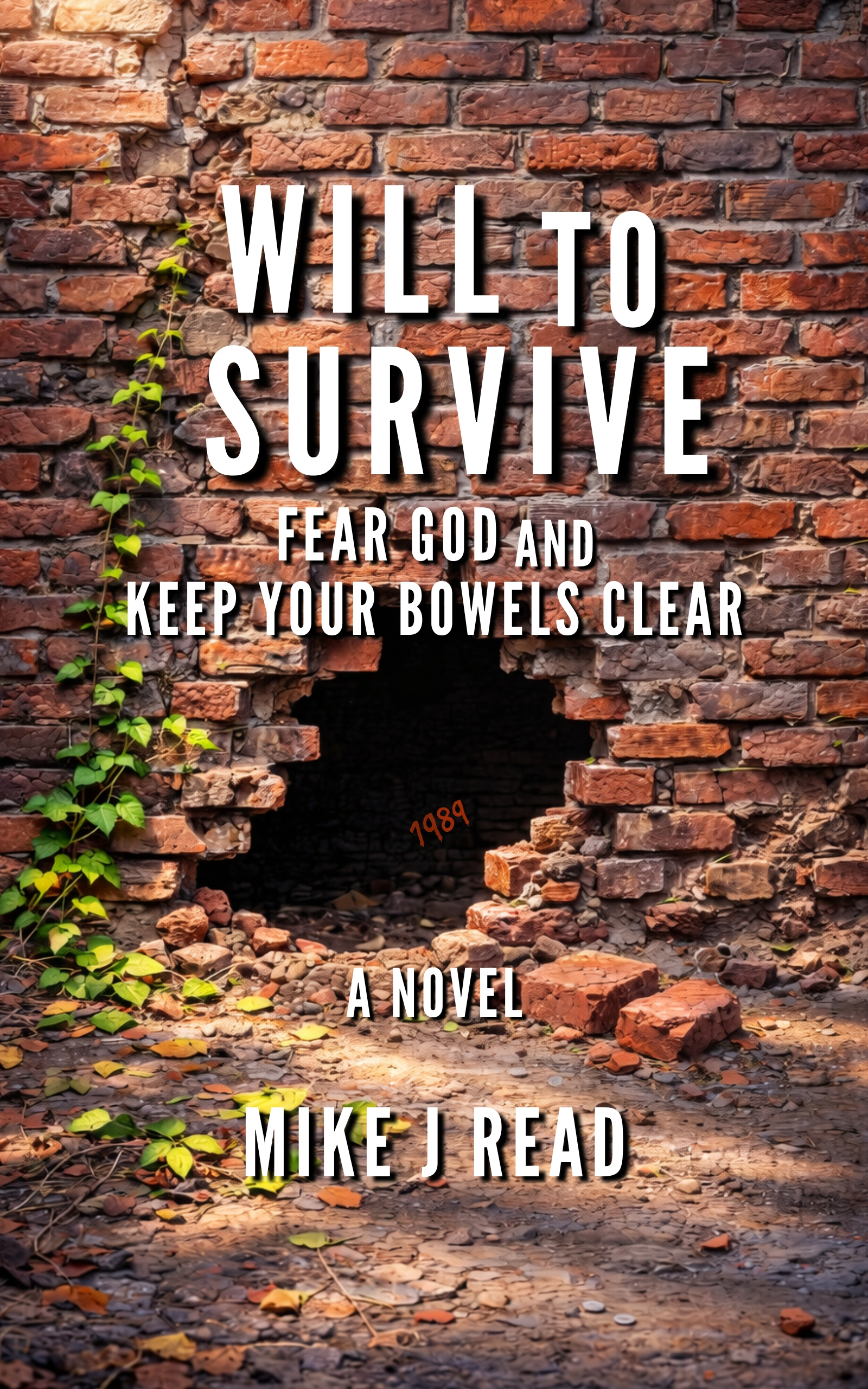
Mike J. Read’s Will to Survive is a fever dream that cannot be contained.
Beginning during the Second World War with Canadian serviceman Peter Greene and his English war bride, Vivian, Will to Survive traces the Greene family across several decades. At its centre is their eldest son, William, whose childhood in 1963 unfolds alongside his adult life in 1989 with his wife, Veronica, and their two young children. What begins as an affectionate return to childhood becomes increasingly unsettling as Will experiences vivid dreams, blackouts, phantom scents, and gaps in his memory. Soon, the boundaries between his boyhood and his present life begin to dissolve. As hidden stories rise from Will’s childhood, one question shadows every page: is he remembering his life, dreaming it, or losing his grip on it altogether?
Read constructs a world almost entirely through Will’s shifting perception. Drawing upon historical events that punctuate his past and present, the narrative is rich with historical, political, and pop-culture references. Familiar details, including the recurring scent of Stetson cologne, become threads connecting Will’s memories to his fragmented present. A historical family saga in which uncertainty snowballs with every chapter, Will to Survive makes readers question where memory ends and invention begins. Readers rarely receive more information than Will does, creating an unnerving sense that his surroundings could shift at any moment.
Often discombobulating, the novel mirrors Will’s confusion through a crowded narrative in which figures from the past intrude upon what he believes is the present. This technique purposefully places readers inside his disorientation. The central hook takes time to emerge, however, and the limited signposts can leave readers without firm footing. As timelines, relationships, and historical details accumulate, it becomes difficult to determine which threads will carry the story forward. The frequent references and expansive cast also occasionally interrupt the emotional momentum, leaving some characters and revelations without enough room to develop. Clearer transitions and more space for the central storylines to unfold would give the novel’s strongest moments greater impact. For readers willing to embrace disorientation, Will to Survive offers an unpredictable journey that keeps every memory in question until the final page.
Grounded and thoughtful, Read explores the lasting effects of war, childhood abuse, and family silence. As Will drifts among different periods of his life, the reader’s journey is shaped by the same loss of balance that troubles him. Rumours, family rituals, and avoided conversations gradually reveal the friction beneath the surface of ordinary life. Chilling revelations encourage readers to reconsider childhood memories and question how closely the stories people carry resemble what truly happened.
Readers drawn to the psychological unease of Alex Garland’s The Coma will appreciate Read’s similar interest in memory, consciousness, and the boundary between dreaming and waking. A haunting trip down memory lane, Will to Survive examines the stories we inherit, the truths we suppress, and the fragile line between remembrance and invention.
—CANREADS BOOK REVIEW