
Editorial review
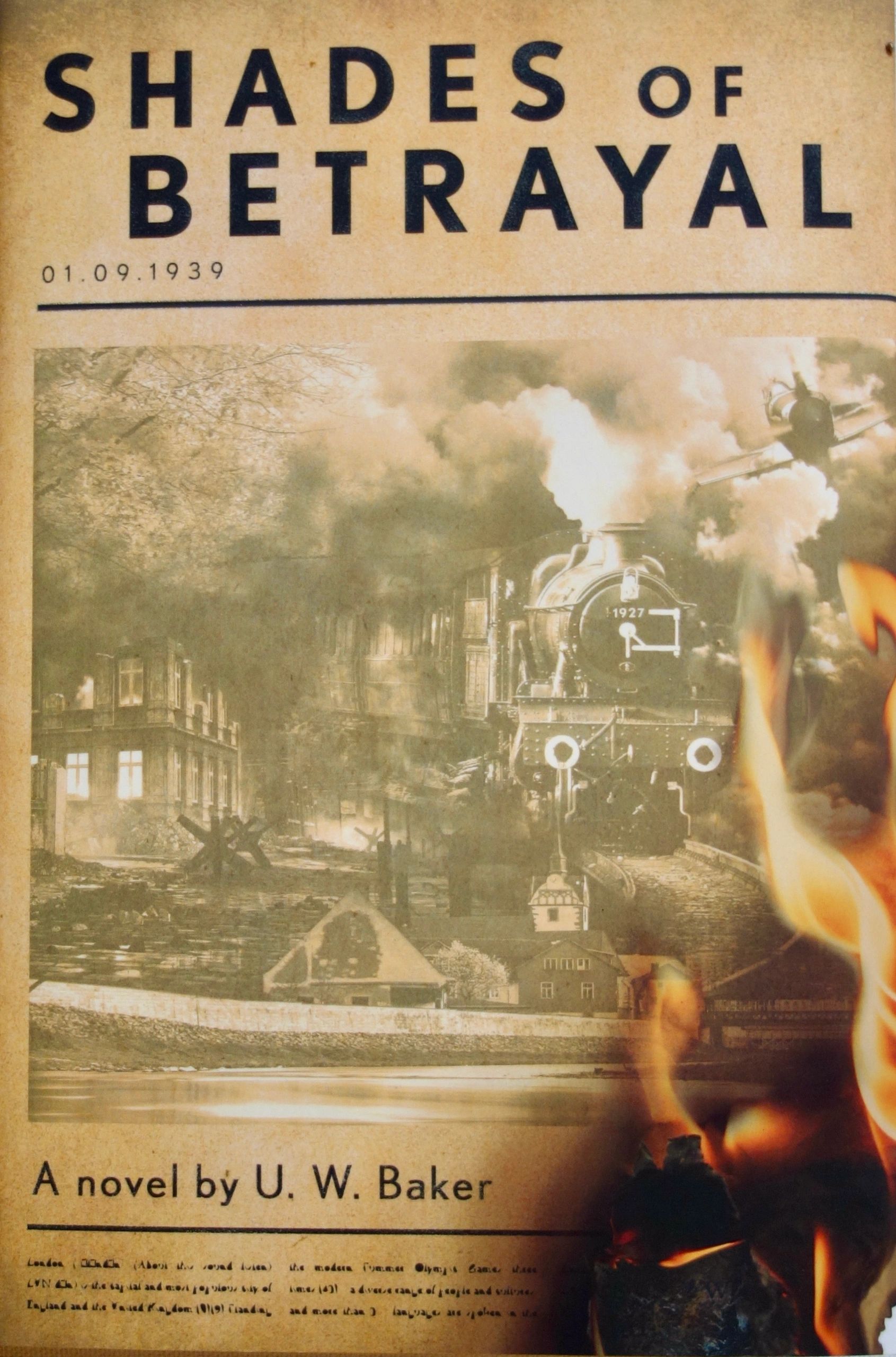
Shades of Betrayal
By U. W. Baker
War doesn’t just destroy lives. It rearranges them until loyalty, love, and survival no longer point in the same direction.
Reviewed by CANREADS
War doesn’t just destroy lives. It rearranges them until loyalty, love, and survival no longer point in the same direction.
In Shades of Betrayal, U. W. Baker crafts a sweeping World War II narrative that moves across Poland, France, Germany, and England, following a cast of characters whose lives unravel in real time. As perspectives switch, we journey along with underground soldiers of the Home Army in Poland, fighters of the French Resistance, pilots of England’s Royal Air Force, and brave women who fight in more ways than one. As we know, the early sense of calm is fleeting, and once history begins to move, there is nowhere left to stand still. No one emerges unchanged.
U. W. Baker weaves together multiple storylines with remarkable skill, creating a novel charged with palpable tension. Their meticulous research and attention to detail are evident throughout, grounding a powerful exploration of identity, grief, and belonging, both intimate and far-reaching. From a mother and son becoming strangers after devastating loss to the ripple effects of mistaken identity, each plotline builds emotional complexity. The story of a husband rebuilding his life after losing the memory of his wife is especially haunting, while the perspective of a schoolboy drawn toward German nationalism adds another compelling layer to the novel’s examination of loyalty and influence. Every choice echoes through someone else’s story. The result is a true butterfly effect, where decisions, misunderstandings, and losses quietly alter the course of lives far beyond their point of origin.
Against the backdrop of war, Baker also allows moments of tenderness to emerge. Romance, friendship, and hope survive in unexpected places, offering brief but meaningful reprieves from the surrounding devastation. Even in wartime, the heart continues its own rebellion. These moments lend the novel an emotional richness that extends beyond its historical setting. Layered, emotionally sharp, and deeply human, the novel leaves a lasting impression.
Yet it is the betrayals and deceptions—whether deliberate or not— that land hardest, forming a central thread that runs through the novel. Baker is a master at pulling heartstrings when lines blur as friends turn on friends, husbands fail their wives, and countrymen betray one another; sometimes out of fear, sometimes out of necessity, and sometimes without fully realizing it until it is too late. It is not just the obvious breaks that resonate, but also the quieter fractures. Promises slip, love and loyalty bend under pressure, and ideals struggle to survive contact with reality. Baker shows that the most painful betrayals are not always acts of malice; sometimes they are acts of survival. By the time the broader political outcome comes into focus, particularly for Poland, it feels less like a revelation than a tragedy long set in motion.
Across countries, the rotating yet connected perspectives ground the story. Our main characters all carry the war in different but critical ways that feel necessary to the plot. However, Baker’s multi-perspective approach leaves some room for further refinement. There are moments where transitions between characters and chapters can feel a little unclear at first, causing a slight disorientation when perspectives switch. And while the writing is richly layered and immersive, there are moments where a tighter approach would sharpen the pacing and heighten the overall impact. But still, throughout these different perspectives, Baker makes something clear: there is no single version of courage here, and every act of survival demands its own sacrifice.
Fans of Kristin Hannah’s historical wartime fiction novels will find Shades of Betrayal to be a compelling next read. Like Hannah’s works, this is not a comforting novel—it reveals the complexity of survival, and the uneasy truth that sometimes enduring is the only victory left. In Baker’s hands, history becomes a story not of heroes and villains, but of people forced to live with the consequences of impossible choices.
—CANREADS BOOK REVIEW
Published by FriesenPress