
Editorial review
The Blue Hour Gospel
By Colin Belcourt
Heartfelt, reflective, and unapologetically queer, Colin Belcourt’s The Blue Hour Gospel transforms personal experience into a powerful exploration of identity, belonging, and self-acceptance.
Reviewed by CANREADS
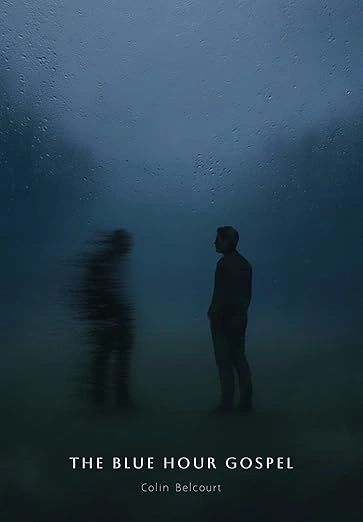
Heartfelt, reflective, and unapologetically queer, Colin Belcourt’s The Blue Hour Gospel transforms personal experience into a powerful exploration of identity, belonging, and self-acceptance.
Blending poetry, prose, scriptwriting, collage, recipes, and gospel-inspired passages, Belcourt crafts an ambitious work that refuses to be confined by a single form. The result is an artistic patchwork that mirrors the complexity of queer identity itself. The ever-changing mediums allow Belcourt the freedom to explore his own experiences from different perspectives, encouraging the reader to embrace emotional complexity and introspection. Belcourt masterfully employs these different mediums to confront the shifting contradictions of queer identity and intersectionality, highlighting a culture of disordered eating and sexual abuse in gay male spaces often hidden from public view. Belcourt’s focus is raw and unique as he challenges binary assumptions and pushes for a more complex understanding of identity.
In challenging the past, Belcourt must first grapple with his own. Drawing from his own personal experiences of ostracization and displacement, he creates some of the collection’s most memorable and emotionally resonant pieces. In particular, “The Earth Kept the Secrets” offers striking insight into the homophobia experienced by children and perpetuated by religious institutions. Belcourt crafts a haunting atmosphere, portraying silenced queer voices as ghostly figures lingering at society’s edges, buried beneath narratives of “truth” and “sin.”
Religious imagery runs throughout the collection, creating space to confront homophobia on both a personal and institutional level. By reimagining gospel and benediction, Belcourt transforms familiar religious forms into affirmations of self-love and resilience. His command to “kiss [your] reflection” becomes a powerful act of reclamation, while the invitation to let go of the “book of Hims” reframes self-acceptance as something sacred. Belcourt’s inversion of religious oppression solidifies The Blue Hour Gospel as a decidedly essential text for younger queer readers.
While Belcourt brings a necessary light to often ignored topics in queer literature, the collection’s strengths can also become its challenges. Belcourt’s dense, highly poetic style occasionally sacrifices clarity in favour of atmosphere, leaving some passages feeling more abstract than impactful. Although the fragmented structure is often effective, some transitions between forms and ideas feel less cohesive, creating occasional distance between the reader and the emotional core of the work. Even so, these moments feel rooted in artistic ambition rather than excess, and readers willing to engage with the collection on its own terms will find much to admire.
For readers who appreciate the tender exploration of queer identity found in Paul Monette’s Becoming a Man, The Blue Hour Gospel is a rewarding read for both Pride Month and all year round. At its heart, the collection explores the idea that queer lives are often found between the lines, in the lawless middle ground, and The Blue Hour Gospel amplifies those voices, creating a space for reflection, exploration, and affirmation for those who need it most. Queer joy, Belcourt reminds us, is often found in the margins—and worth seeking out.
—CANREADS BOOK REVIEW