
Editorial review
You and Me
By Scott Godwin
Can love be an inevitability? And can it endure—even deepen—after one half of it is gone? In his literary debut, You and Me, Scott Godwin tackles these different questions through a relationship that both begins and ends...
Reviewed by CANREADS
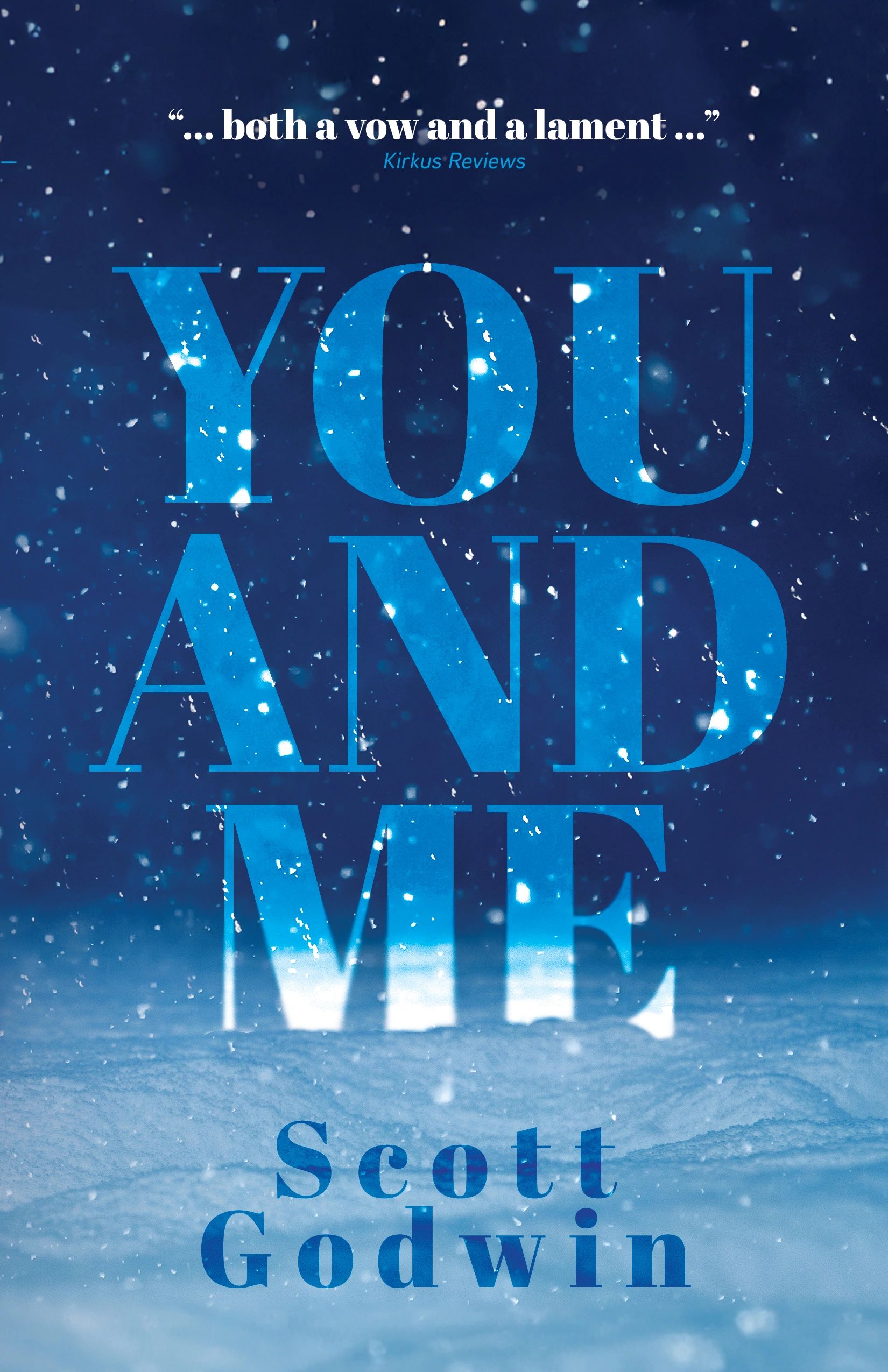
Can love be an inevitability? And can it endure—even deepen—after one half of it is gone? In his literary debut, You and Me, Scott Godwin tackles these different questions through a relationship that both begins and ends with a fatal wolf attack. Steeped in grief, possession, and spiritual reckoning, this is a novel where love is the wound that refuses to close.
The narrator, who remains unnamed throughout the novel, is an emotionally distant man who prides himself on being logical to a fault. So, when he sees a stranger at the gym and knows—with absolute certainty—that they will spend their lives together, the conviction feels as unsettling as it is romantic. His partner, fourteen years younger and living with a severe anxiety disorder, is his opposite in every way: emotionally dependent, searching, and desperate to believe that life extends beyond what can be rationalized. This is a love built on certainty for one, and hope for the other. It isn’t until his boyfriend is killed thirteen years into their relationship that the narrator is pushed beyond logic and into the possibility of something more.
Godwin structures the novel through alternating chapters that move between the narrator’s present grief and the couple’s tumultuous past. Each chapter reads like a snapshot of devotion under strain. The result is a layered portrait of intimacy and erosion, showing how two people can be deeply entwined, yet ripping apart at the seams.
Godwin has crafted a queer contemporary romance unafraid of discomfort. The characters feel undeniably real, shaped by baggage, angst, and deep insecurity. While the narrator is certain this is the man he will spend his life with, he struggles to fully make space for another person, swinging between suffocating devotion and emotional withdrawal. Love here is volatile, consuming, and unpredictable, feeding directly into his partner’s anxiety and fuelling cycles of conflict that repeat with painful familiarity. It is in these moments of grief that the novel reaches its most affecting depths. Realism begins to blur with the spiritual as the narrator reaches beyond death for fleeting moments of connection. Godwin expertly captures the ache of loving someone so fiercely that even death cannot fully sever the bond, leaving readers immersed in the fragile space between memory, longing, and the desperate hope for just one more moment of “you and me.”
The world-building in Godwin’s novel feels intentionally sparse. The couple is intense and believable, but they remain loosely drawn: characters are unnamed, physical detail is minimal, and much of their history is told rather than fully lived on the page. Godwin’s vignette-style structure reinforces the cycles of grief and regret at the heart of the novel, though repetition and time jumps can occasionally stall momentum, with pivotal moments summarized instead of dramatized. This can leave the setting as little more than a stage for the narrator’s grief. The result is an emotionally demanding read—sitting with two people caught in a sustained loop of miscommunication and hurt is challenging. And yet, that discomfort is integral to the novel’s emotional realism and what makes the characters feel unmistakably human.
You and Me is a story about how, for better or worse, love can seep into every aspect of a person, consuming, distorting, and ultimately defining a life. Possessiveness permeates the couple’s most intimate moments, from quiet domestic closeness to charged physical connection. This is not a question of whether they would die for each other, but whether they can truly live with the weight of loving so fiercely. Godwin leaves readers suspended in that tension, where devotion remains achingly romantic even as it proves unsustainable, revealing the quiet damage love can leave behind.
—CANREADS BOOK REVIEW