
Editorial review
The Ninth Fox
By Natasha Ayton
Natasha Ayton’s The Ninth Fox is a heartwarming middle-grade adventure that introduces readers to a plucky, lovable fox they can’t help but root for until the very last page. Written with clarity, humour, and emotional i...
Reviewed by CANREADS
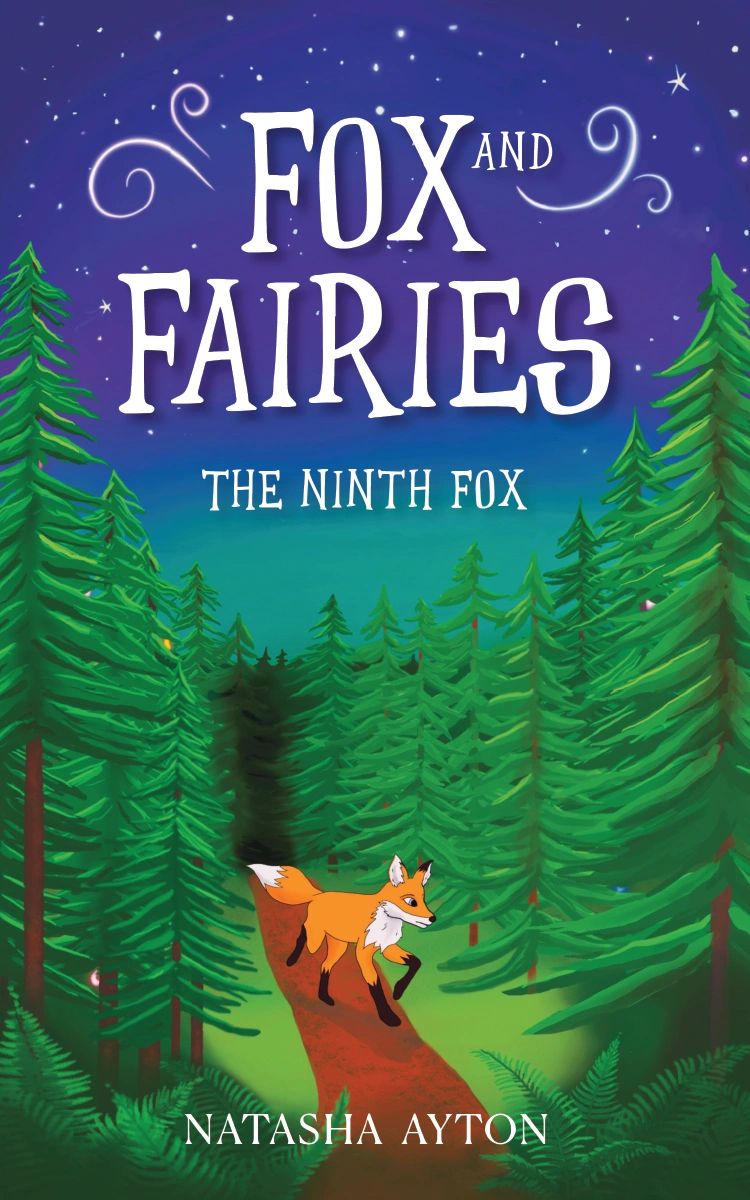
Natasha Ayton’s The Ninth Fox is a heartwarming middle-grade adventure that introduces readers to a plucky, lovable fox they can’t help but root for until the very last page. Written with clarity, humour, and emotional insight, the novel speaks directly to upper–elementary and middle-grade readers navigating questions of belonging, confidence, and courage.
From the opening pages, readers are greeted with warmth, wit, and a wink. Ayton establishes a playful, inviting tone with a funny letter to the reader, written from the perspective of a dog character who protests the series title, Fox and Fairies. This conversational, gently irreverent voice sets the stage for a story that feels accessible and welcoming. At the centre of the story is Nine, later named Duluth after a sandwich offered by a human. Duluth is immediately sympathetic: labelled “cursed” by her mother, met with a father who makes excuses for that behaviour, and dismissed by fox brothers who either ignore or snap at her. Unwilling to hunt or kill, she begins the story unsure of where she fits—especially in contrast to Lucky, her mother’s favourite cub. Duluth’s journey from self-doubt to quiet determination forms the emotional backbone of the novel, particularly when she strikes up a touching friendship with Lucky and later sets out to rescue him from an animal catcher, summoning courage she doesn’t yet believe she possesses.
Young readers will see themselves in Duluth’s longing to step into the stories she overhears a teacher reading aloud, mirroring how children often imagine themselves as brave, capable protagonists. Ayton captures that in-between space of childhood beautifully—the desire to be fearless paired with the reality of fear. As Duluth stumbles, regroups, and keeps going, the story offers a meaningful lesson in resilience and perseverance, reminding young readers that feeling discouraged is natural and that what matters most is choosing not to give up.
Ayton writes characters that feel kind and easy to love. Luna, a friendly Golden Retriever, is pleasantly straightforward, patiently explaining her dog breed to Duluth’s confusion and firmly insisting that chickens are off the menu. Frank, Duluth’s fairy companion, provides a lively contrast. Unlike the story’s more ethereal fairies, Frank is refreshingly down-to-earth, speaking in a clipped, hurried manner that often trips him up—most memorably when he responds to Duluth’s question about family with, “Me? No. No, no, no. No family. Well. Yes.” Together, these characters sustain the book’s eccentric humour while reinforcing its themes of friendship, trust, and belonging.
The accompanying illustrations are used sparingly but to great effect. One lovely example is page 68, where only Duluth’s eyes are drawn to evoke the sense of her peering from behind a bunch of boxes as she hides in the back of a moving truck. Ayton’s carefully-placed visuals heighten tension and invite imagination, proving that The Ninth Fox doesn’t need to be a picture book to paint vivid scenes.
Ultimately, The Ninth Fox is a sweet, emotionally rich middle-grade novel that blends humour, heart, and quiet bravery. With its relatable heroine and accessible storytelling, Ayton has created a novel young readers will eagerly finish—and look forward to revisiting as the series continues.
—CANREADS BOOK REVIEW
Published by: Tiny Island Tales