
Editorial review
The Conawalki Murder Mysteries: Lost Village
By Michael Saver
Michael Saver’s Lost Village is a striking, ambitious debut, reaching well beyond the familiar borders of a murder mystery. The first in The Conawalki Murder Mysteries series, Saver’s novel transcends genres, just as it ...
Reviewed by CANREADS
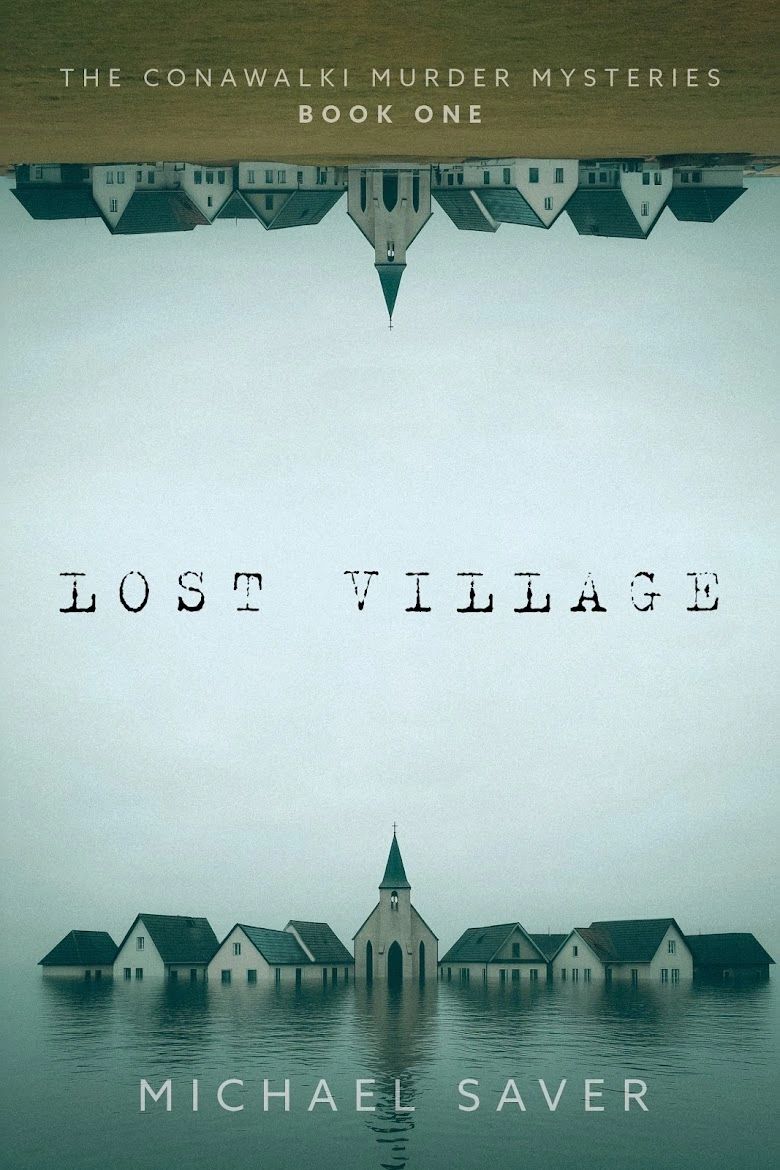
Michael Saver’s Lost Village is a striking, ambitious debut, reaching well beyond the familiar borders of a murder mystery. The first in The Conawalki Murder Mysteries series, Saver’s novel transcends genres, just as it does time. Set in 1973 in the small “replacement village” of Conawalki—a town rebuilt after the original was flooded during the construction of the St. Lawrence Seaway—the novel immediately hooks the reader with its haunting premise, when two horrific murders shatter the village. Saver uses this history of displacement beautifully, exploring how a community tries desperately to reconstruct not just its streets and homes, but also its shared identity. The result is a supernatural coming-of-age mystery steeped in atmosphere, memory, and collective trauma.
With the murder investigation underway, Saver’s talent for tension and pacing shines. As long-buried secrets slowly make their way to the surface, the reader is drawn deeper into the intricate, sometimes claustrophobic world of a tiny town that has already lived through one major loss. At the heart of the story is Mark, a sensitive, musically-gifted teenager whose dreams allow him to communicate with the spirits of the two beloved community members who were killed. While there’s a supernatural element, Saver never pushes it too far, and the premise remains grounded, believable, and moving. It is his relationship with his loving Gran, along with his friendships with bandmates Seb and Flix, that anchor the story in authentic teenage vulnerability.
Mark is only one of the many richly drawn characters populating Conawalki. Each feels lived-in, carrying their own weight of history and secrets. Saver’s real-life small-town background shows in the authenticity of the setting and the relationships, and he writes with a poet’s attention to emotional texture, especially in the dream sequences that cast Conawalki as a “thin place”—a paradox created when the village was moved, leaving gaps between past and present.
As the first installment in the series, Lost Village evidently hints at a much larger narrative yet to come. While readers craving tidy resolution may find themselves wanting more, this open-endedness feels intentional. As well, the pacing occasionally slows during community meetings and procedural scenes, however, these quieter moments establish important rifts beneath Conawalki’s reconstructed surface.
Readers who enjoy the quieter supernatural tones of Stephen King and the small-town layering of Louise Penny will feel right at home. Saver writes Conawalki not just as a setting, but as a character—haunted, hopeful, and full of fractures. Lost Village is essential reading for anyone drawn to stories where place becomes character, and where the supernatural serves as a lens for examining how communities process collective trauma.
This is a story about what we lose when we’re forced to rebuild, and what strange new gifts emerge from loss. One of the most refreshing aspects of Lost Village is in its refusal to offer easy answers, marking Saver as a writer unafraid to let mysteries breathe, to trust readers with ambiguity, and to honour the spaces where one life intersects with many lives across time. There is no doubt the next book in this series will be worth the wait. A compelling beginning to a richly imagined series, Saver’s Lost Village sets a carefully-constructed foundation that promises even deeper, more rewarding chapters ahead.
—CANREADS BOOK REVIEW